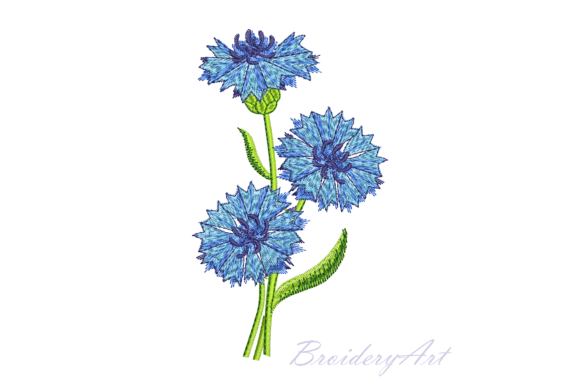
Cornflowers Embroidery Design
A Thoughtful First Impression for Boutique Apparel Designers
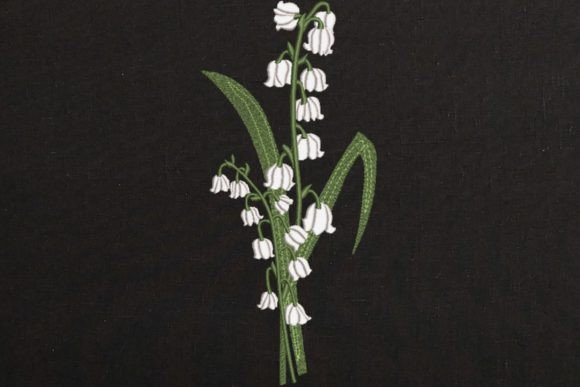
As an embroidery designer who’s developed collections for small clothing brands and Etsy sellers over the past decade, I opened Cornflowers with quiet anticipation—not for flash or trend-chasing, but for that subtle, confident charm that elevates handmade product photography and builds brand recognition. Visually, Cornflowers reads as soft yet intentional: delicate petals, gentle curvature in the stems, and a balanced composition that feels both botanical and refined. It leans feminine without being saccharine, classic without feeling dated—and crucially, it avoids over-detailing that can muddy on dense fleece or stretchy cotton blends. This isn’t a bold statement piece; it’s a quiet signature—ideal for a boutique brand building cohesion across sweatshirts, totes, and seasonal lifestyle pieces.
How Cornflowers Performs Across Real Apparel Applications
Sweatshirt embroidery is where Cornflowers truly shines. On neutral heather grey or oatmeal sweatshirts, its organic shape reads cleanly at chest placement—neither too small to register nor so large it overwhelms the garment’s relaxed silhouette. For hoodie design, I’d place it just above the left chest pocket or centered low on the back panel: the open negative space around the bloom lets the fabric breathe, avoiding visual clutter. On oversized hoodies, the design holds its grace without distortion—even when stretched across curved shoulders or ribbed cuffs.
For t-shirt embroidery, Cornflowers works best on midweight 100% cotton or cotton-blend tees with minimal shrinkage. Its moderate stitch density prevents stiffness while maintaining definition—no crunchy “embroidered patch” effect. On denim jackets, it adds artisanal contrast against rugged texture, especially when stitched in tonal ecru or slate thread colors. And on tote bags? It anchors the front panel beautifully—subtle enough for daily wear, distinctive enough to spark conversation among conscious shoppers.
In commercial embroidery contexts—think wholesale orders for local boutiques or curated gift sets—Cornflowers supports visual consistency across product lines. Paired with minimalist typography or paired with a single monogram, it strengthens brand identity without demanding attention. Buyers recognize the motif across your Instagram feed, printable mockups, and Etsy listings—not as repetition, but as intentionality.
Where to Use Cornflowers with Care
Like any thoughtful machine embroidery design, Cornflowers rewards attention to fabric behavior. On highly stretchy knits (like lightweight French terry), I recommend testing stabilizer combinations—cutaway plus light tear-away often yields crisp results without puckering. With fleece or thick brushed cotton, avoid placing it directly over seams or high-movement zones like underarms; instead, opt for sleeve accents or lower-back placements where tension stays stable. On dark garments, verify thread color contrast—especially in the center stamens—so detail remains legible in lifestyle product photos.
Curved surfaces (like the rounded yoke of a raglan sleeve) demand careful hooping. If you’re planning sleeve accents, test hoop size compatibility first—some versions of Cornflowers may require a 4x4 hoop minimum. Also note: while it’s well-suited for chest and back placements, avoid cramming it into tiny lettering zones or pairing it tightly with dense text—it’s a standalone botanical element, not a filler motif.
Why Cornflowers Builds Trust and Value
For the small shop product owner or handmade business owner, every design choice signals professionalism. Cornflowers reads as considered—not generic, not algorithmically trendy, but quietly cultivated. That perception translates directly to buyer trust: customers scrolling Etsy listings pause longer on items where embroidery feels intentional, not incidental. When used consistently across a collection—say, matching cornflower-embroidered sweatshirts, matching tote bags, and coordinating printable mockups—the design becomes part of your visual vocabulary. It tells shoppers, “This isn’t mass-produced. This is made with care.”
That consistency also streamlines social media graphics and packaging storytelling. A single well-executed Cornflowers placement on a cozy seasonal outfit—think ivory knit sweater + linen skirt—creates instant cohesion in flat lays and carousel posts. No need for heavy filters or forced styling: the embroidery itself carries warmth and authenticity.
Practical Notes Every Embroidery Designer Should Confirm
- Test on scrap fabric first—especially if using new stabilizer or thread combinations.
- Review Cornflowers’s actual stitch density before production; moderate density suits apparel best, but verify in your embroidery software.
- Confirm hoop size requirements—some Creative Fabrica embroidery files include multiple sizes, others are fixed.
- Inspect how the design handles curves and corners; does the stem flow naturally, or does it look pinched at tight angles?
- Compare placement options digitally before stitching—try it mirrored, scaled slightly up/down, or rotated 5° for organic variation.
- Check Creative Fabrica product details thoroughly: file formats included, recommended fabric types, and licensing terms for commercial embroidery use.
- Always test on the exact garment fabric you’ll use—not just similar, but identical—before launching a full run.
Final Thoughts for the Intentional Creator
Cornflowers won’t shout—but it will resonate. In a market saturated with loud logos and overdesigned motifs, this Single Flowers embroidery file offers something rarer: quiet confidence. It fits seamlessly into a custom apparel strategy that values longevity over virality, craftsmanship over convenience, and cohesion over clutter. Whether you're launching your first hoodie collection or refreshing a long-standing boutique brand, Cornflowers is the kind of machine embroidery design that grows more valuable the more thoughtfully you use it. Not as decoration—but as voice.