Cute Birds with Butterflty
First Impression: Whimsy That Stitches Clean
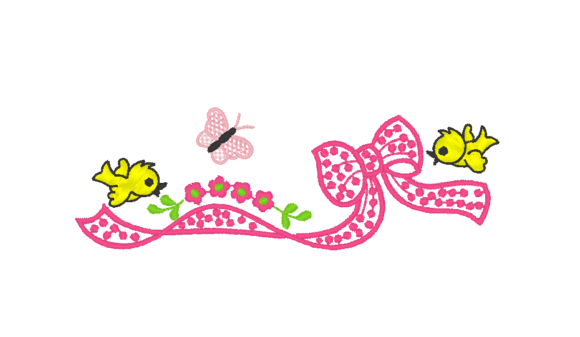
Opening the Cute Birds with Butterflty embroidery file, I immediately noticed how well-balanced the composition feels—three small birds perched playfully around a central butterfly, all arranged with gentle asymmetry and breathing room. It’s not overly fussy, but it’s also not flat or generic. The shapes are rounded and friendly, with soft curves in the wings and gentle beak angles that read as cheerful—not cartoonish, not cutesy to the point of distraction. As a designer who’s stitched hundreds of bird motifs for baby onesies, boutique aprons, and Etsy patch sets, I appreciate when a machine embroidery design lands right between charm and clarity. This one does.
Real-World Test: A Linen Tea Towel for a Local Kitchen Shop
Last week, I used Cute Birds with Butterflty on a natural linen tea towel for a small-batch kitchen shop client. We placed it off-center on the lower corner—just above the hem—using a 4x4 hoop. The result? Light, legible, and quietly joyful. Customers paused at the rack. One asked, “Is that hand-stitched?” (It wasn’t—but the satin stitch on the butterfly wings and the clean fill stitch on the birds’ bodies gave it that handmade polish.) That’s the quiet power of this design: it elevates simple fabric without demanding attention. It doesn’t shout; it invites.
Where It Shines—and Where It Needs Thought
Cute Birds with Butterflty excels on medium-weight woven fabrics: cotton poplin for tote bags, midweight terry for baby towels, fleece-backed sweatshirt fabric for custom apparel. On a relaxed-fit crewneck sweatshirt, the design held its shape beautifully—even after two washes—thanks to moderate stitch density and intentional spacing between elements.
But here’s what I’d flag for fellow designers and craft business owners:
- Small hoop sizes: It fits comfortably in a 4x4 hoop, but pushing into 3x3 would sacrifice feather detail and butterfly wing definition. Don’t force it.
- Textured or stretchy fabric: Avoid on slubbed linen or lightweight jersey without proper cutaway stabilizer. The running stitch outlines help, but dense fill areas need support.
- Dark fabric: Works well—but test thread colors first. Pale yellow or mint thread on charcoal felt cohesive; white looked stark and slightly brittle.
- Curved surfaces: Not ideal for caps or curved brims unless resized and re-digitized. The layout assumes a flat plane.
- Frequent washing: Holds up if stabilized correctly—but skip it on infant bibs meant for daily machine cycles unless you reinforce backing.
Design Integrity Meets Commercial Sense
As an Etsy seller and embroidery product reviewer, I pay close attention to how a digital embroidery file affects perceived value. Cute Birds with Butterflty adds instant warmth to personalized gifts—think monogrammed baby blankets with a single bird tucked beside the name, or holiday kitchen towels where the butterfly doubles as a subtle spring motif. It reads as thoughtful, not mass-produced.
For small shop owners building brand consistency, this design works because it’s distinctive without being niche. It’s not *just* for nurseries—it fits botanical apothecary branding, cottage-core apparel lines, even minimalist café merchandise when paired with clean typography. And yes, customers recognize it: during a craft fair, three people pointed to the same embroidered pillow cover and said, “I love those little birds.” That kind of organic recognition is gold for handmade product visibility.
Practical Designer Notes Before You Stitch
Before using Cute Birds with Butterflty in your next project—or listing it as part of your digital product shop—here’s my short checklist:
- Test on scrap fabric first, especially if using textured weaves or blends.
- Check thread color contrast across light and dark backgrounds—not just on screen, but stitched.
- Review stitch density visually: no overloading in the butterfly body or bird eyes; everything should lie flat, not puff.
- Confirm hoop size compatibility with your machine and intended placement (e.g., left chest vs. pocket).
- Inspect small details like wing tips and antennae—they’re delicate but well-digitized; still, verify they don’t vanish on low-thread-count fabric.
- Test in black-and-white mockups to ensure silhouette reads clearly for logos or printable mockups.
- Use appropriate stabilizer: tear-away for stable wovens, cutaway for knits or high-wear items like tote bag straps.
- Confirm licensing terms before selling finished items or bundling the embroidery file in digital product kits.
Final Thought: A Quietly Confident Design Asset
Cute Birds with Butterflty isn’t flashy—but then, the best embroidery assets rarely are. It’s the kind of birds design that makes a baby onesie feel special, a kitchen towel feel curated, and a small-batch tote bag feel like a keepsake. It stitches cleanly, scales thoughtfully, and carries emotional weight without leaning on cliché. For craft business owners, Etsy sellers, and designers building real-world embroidery project portfolios, it’s less of a “trend” and more of a reliable voice—one that says, “I care about how it looks *after* the needle stops moving.”
If you’re choosing between ten bird motifs for your next line of nursery decor or holiday gifts, give Cute Birds with Butterflty a slow, close look—not just at the preview image, but at how it behaves on fabric, how it ages with wear, and how it makes your customer feel when they hold the finished product. That’s where real design judgment lives.