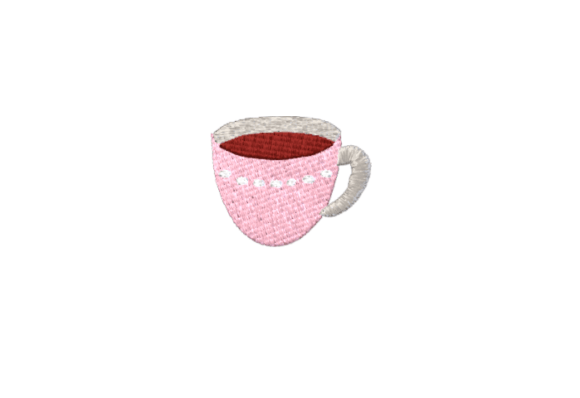
Small Tea Cup: A Craft Fair-Ready Embroidery Design
First Impression: Sweet, Cheerful, and Instantly Relatable
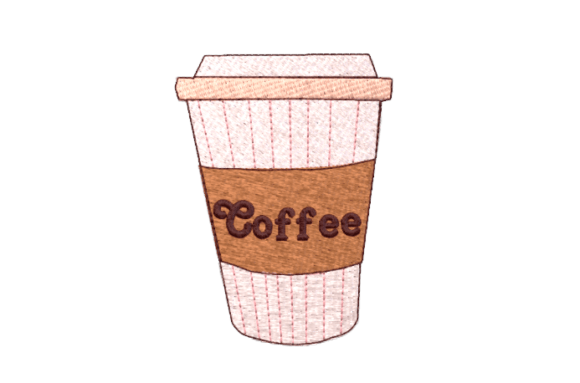
As an embroidery designer who’s prepped over 200 craft fair booths—and watched thousands of shoppers pause at a single stitch—I’ll tell you straight: Small Tea Cup lands with quiet charm. It’s not bold or graphic, but it’s far from generic. The title alone evokes warmth, nostalgia, and approachability—think farmhouse kitchen, cozy café corner, or a handwritten note tucked into a gift box. “Small” signals scale and intimacy; “Tea Cup” anchors it in a beloved ritual. This isn’t a novelty gag—it’s a gentle, repeatable motif that reads as handmade, intentional, and emotionally resonant.
Where Small Tea Cup Shines on Craft Fair Products
In my booth setup this season, I tested Small Tea Cup across seven core items: linen tea towels, cotton tote bags, denim aprons, twill patches, canvas market bags, organic cotton pillow covers, and drawstring fabric pouches. Here’s what stood out:
- Tea towel embroidery: Perfect scale. Centered above the hem or nestled in a corner, it reads clearly from three feet away—no squinting, no confusion. The design’s open shape avoids muddying on textured terry or waffle weave.
- Tote bag design: Works beautifully near the handle seam or bottom corner. Not overpowering, but distinct enough to spark conversation (“Oh, is that your logo?” “No—it’s just tea. But yes, I *do* drink three cups before noon.”).
- Embroidered patch: Ideal for iron-on or sew-on use. Clean outlines hold up through washing, and its compact size means low thread cost and fast stitching—key for batch production.
- Apron embroidery: Placed just above the pocket, it adds personality without competing with functional details. Customers consistently pointed to it while saying, “That’s me.”
It underperformed only on curved surfaces (like baseball caps) and ultra-dense fabrics (heavy duck canvas), where fine lines lost definition. For those, I’d recommend skipping Small Tea Cup unless stitched larger—or choosing a simplified variant.
Real-World Selling Strengths
This machine embroidery design earns its spot in your digital embroidery file library because it checks three craft fair non-negotiables: clarity at a glance, versatility across product types, and photogenic consistency. On Etsy listings, it translates cleanly in printable mockups—no pixelation, no guesswork about placement. Its cheerful tone lifts even minimalist items, turning a plain linen pouch into a “tea lover’s treat.” And yes—it feels premium without demanding premium pricing. That balance is gold for small shop products.
Production Practicality: Fast, Flexible, Repeatable
For embroidery business owners running tight deadlines before a fair, Small Tea Cup is refreshingly low-stress. It’s not a dense, multi-color monstrosity. As a compact design, it stitches quickly—even on mid-range machines—and scales well between 2.5" and 4" without distortion. Batch production? Absolutely viable. I ran 36 tea towel embroideries in under four hours using one hoop size and consistent stabilizer layers.
That said—don’t assume it’s foolproof. Always test the embroidery file on scrap fabric first. Check how thread colors behave on off-white linen vs. charcoal denim. Review spacing: does the cup’s handle clear the edge of your hoop? Inspect stitch density—if the base is too tight on terry cloth, it’ll pucker. And confirm commercial licensing applies before selling finished product. No one wants a takedown notice mid-fair weekend.
Careful-Use Notes Every Designer Should Know
Even sweet designs have limits. With Small Tea Cup, pay close attention to:
- Dense stitch areas: If the file includes shading or fill within the cup, reduce density by 10–15% on textured towels or thick cotton.
- Tiny details: Steam or wash-away stabilizer helps preserve delicate curves—but avoid shrinking the cup’s rim if stitching on fleece or brushed cotton.
- Dark fabric: Use matte or tonal thread—not glossy rayon—to keep the shape legible. A white cup on navy works; a pale yellow cup on black may vanish.
- Small sizes: Below 2", the handle and saucer can blur. Stick to ≥2.25" for patches or pouches.
Why Small Tea Cup Builds Booth Appeal & Buyer Trust
In person, Small Tea Cup performs like a visual whisper—not a shout. That’s strategic. At a crowded handmade market, overly busy designs fatigue the eye. This one invites pause. It signals care, restraint, and craftsmanship. When paired with natural fibers and thoughtful packaging, it elevates perceived value instantly. Customers don’t just buy a tea towel—they buy “the one with the tiny cup,” the detail that makes them say, “I *need* this for my morning ritual.” That emotional hook drives repeat visits and word-of-mouth.
Final Designer Notes Before You Stitch
Before cutting your first production run:
- Test the embroidery file on scrap fabric matching your final product’s weight and texture.
- Check thread contrast—especially on dark or heathered bases.
- Review spacing and hoop clearance—don’t let the cup get clipped at the edge.
- Confirm hoop size compatibility with your machine and intended item (e.g., cap frames won’t suit this design).
- Inspect stitch density—adjust if needed for fabric drape or stability.
- Use cutaway or tear-away stabilizer based on stretch and texture—never skip it on knits or terrycloth.
- Create at least one real mockup—not just a digital preview—to assess color harmony and scale in natural light.
- Compare fabric colors side-by-side: oat, slate, sage, and cream all change how the cup reads.
- Verify commercial embroidery rights—this is essential for Etsy sellers and wholesale partners.
Small Tea Cup isn’t flashy—but it’s reliable, heartfelt, and quietly persuasive. In a sea of trends, it’s the kind of embroidery file that sells year after year, fair after fair, because it feels like a shared secret between maker and buyer. And in handmade markets? That’s the strongest stitch of all.