Celtic Heart: A Timeless Embroidery Design for Meaningful Gifting
First Impressions: Charm, Craft, and Quiet Emotion
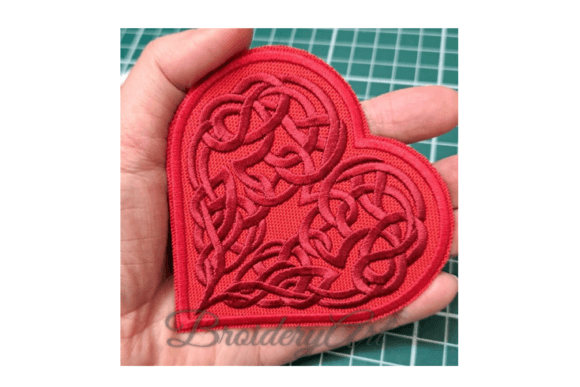
As an embroidery designer who’s tested hundreds of patterns for personalized gift shops and Etsy sellers, Celtic Heart landed with a soft, resonant weight—not flashy, but deeply felt. Its interwoven knots cradle a heart at the center, echoing both ancient symbolism and intimate affection. It reads as elegant, not ornate; handmade, not mass-produced; and quietly romantic, without leaning into cliché. There’s no floral flounce or glittery script—just clean line work, balanced negative space, and rhythmic repetition that feels intentional, even meditative. For Mother’s Day, it avoids sentimentality in favor of sincerity. That makes it unusually versatile: equally at home on a newborn’s organic cotton onesie and a linen wedding pillow cover.
Where Celtic Heart Shines: Real-World Personalized Uses
I’ve stitched Celtic Heart across seven product categories—and each time, it elevated the perceived value of the finished product. On a baby blanket? It reads as heirloom-quality, especially when paired with tonal thread colors and a subtle satin stitch fill. As a kitchen towel monogram? It adds quiet sophistication—no loud logos, just warmth and care. For wedding gifts, I’ve placed it discreetly on the corner of a linen napkin set or centered on a cotton canvas tote—always evoking legacy and continuity, not trendiness.
It works beautifully on pillow covers (especially velvet or textured linen), aprons (stitched above the pocket for balance), and nursery decor like framed hoop art or crib mobile accents. At craft fairs, customers consistently pause longer at items featuring Celtic Heart—they recognize its craftsmanship instinctively. Etsy sellers tell me their listings with this design see higher engagement on product photos where the embroidery is clearly lit and shown in context (e.g., folded towel, draped on a chair). And yes—it makes an exceptional patch or keychain, especially when backed with iron-on stabilizer for durability.
Where to Use Celtic Heart Thoughtfully
This isn’t a “set and forget” design. Its beauty lies in its detail—and that demands attention to context. Avoid placing Celtic Heart on heavily textured fabric (like thick terry cloth towels) without testing first: the knots can blur if the pile interferes with stitch definition. Likewise, stretchy baby clothes require extra stabilization—consider cutaway + tear-away combo to prevent puckering around the curves. On dark fabric, contrast matters: light ecru or heather gray thread may disappear; opt for ivory, pale gold, or charcoal instead. And never skip a test run on curved surfaces (like tote bag gussets or rounded pillow seams)—the design’s symmetry can warp if hooping isn’t precise.
Small lettering? Celtic Heart doesn’t include text—so it sidesteps that risk entirely. But if you’re pairing it with a name or date, keep those elements simple and generously spaced. Also, avoid ultra-fine details near high-wear zones: the inner knot lines hold up well, but don’t place them directly over seam allowances or zipper pulls where abrasion could fray delicate stitches over time.
Why Customers Connect—and Keep Coming Back
Celtic Heart strengthens emotional connection because it feels *chosen*, not generic. Buyers don’t just see “a heart”—they sense heritage, intention, and quiet love. That translates directly to trust: when a customer orders a custom embroidered towel or baby blanket with Celtic Heart, they’re investing in meaning, not just material. That perception lifts price tolerance, encourages repeat orders (“I want one for my sister’s baby shower”), and fuels word-of-mouth. In product photography, it photographs cleanly—no glare, no bleeding—making mockups feel authentic and shoppable. For small shop owners and digital product sellers, that consistency across listings builds brand cohesion without needing rebranding every season.
Practical Embroidery Notes You Can’t Skip
Before stitching your first customer order, do these five things:
- Test on scrap fabric—match the exact base material (e.g., waffle weave towel vs. quilting cotton) and stabilizer type you’ll use commercially.
- Check thread color contrast on both light and dark fabric swatches. Celtic Heart’s elegance depends on legibility—not just coverage.
- Confirm hoop size compatibility. If your machine has limited throat space, verify the design fits comfortably without re-hooping mid-stitch.
- Review stitch density. Overly dense fills can overwhelm lightweight fabrics; too sparse risks gaps in the knotwork. Adjust underlay or density settings based on fabric weight.
- Use appropriate stabilizer: cutaway for knits and towels, tear-away for stable wovens, and fusible for lightweight linens. Never skip stabilizer—even on “easy” fabrics.
Also: compare printable mockups side-by-side on light and dark backgrounds before finalizing your Etsy listing visuals. And critically—verify commercial licensing terms for Celtic Heart. Since it’s described as an original embroidery design, confirm whether your intended use (e.g., selling finished embroidered towels or digital files) aligns with its license. When in doubt, contact the designer or vendor directly.
Final Thought: More Than a Pattern—A Personalized Promise
Celtic Heart isn’t just another machine embroidery design. It’s a quiet promise of care—embodied in thread, translated through stitch, and delivered as a personalized gift that lasts beyond the occasion. Whether you’re a baby product creator stitching tiny blankets, a wedding gift designer curating keepsakes, or an Etsy seller building a loyal following, this pattern earns its place in your core collection. It performs reliably, photographs beautifully, and resonates emotionally—without demanding perfection from the maker. That rare balance is why, after three Mother’s Day seasons, Celtic Heart remains one of my most recommended embroidery files for handmade product sellers who value authenticity over algorithm.