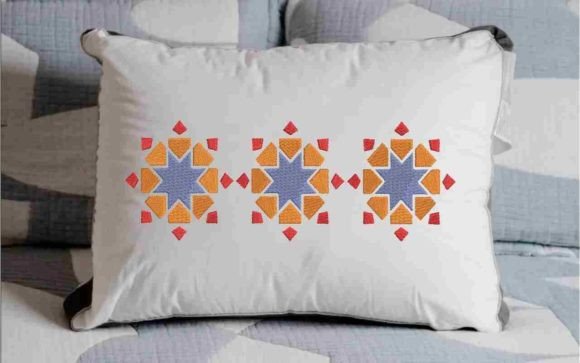
Colorful Ceramics of North Africa Ensemble
A Seasonal Designer’s First Impression: Vibrant, Warm, and Instantly Recognizable
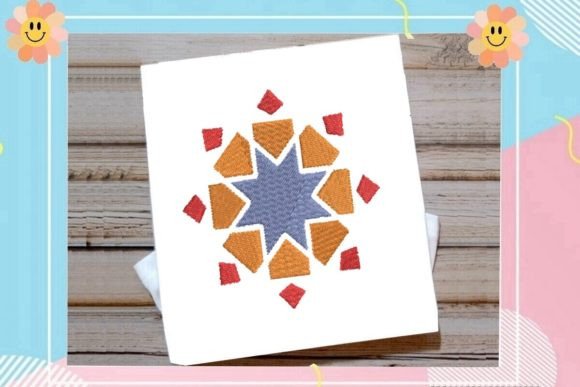
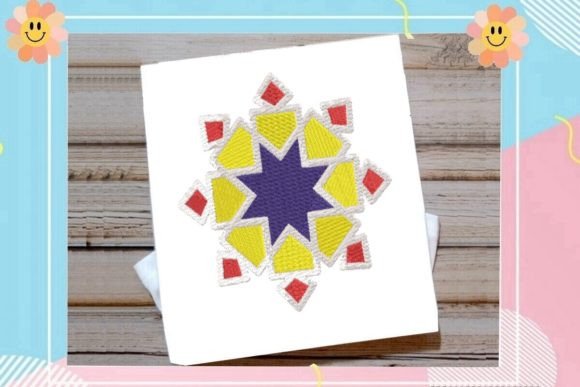
As an embroidery designer who builds holiday collections around emotional resonance—not just aesthetics—I opened Colorful Ceramics of North Africa Ensemble expecting bold color and cultural authenticity. What I found was even better: a joyful, tightly composed Moroccan-inspired Zellige pattern with Zakhrapha motifs that reads as both festive and grounded. It doesn’t shout—it sings. The palette feels sun-warmed and intentional: terracotta, cobalt, saffron, mint, and deep indigo layered with crisp white accents. This isn’t “exotic” decoration; it’s celebratory heritage made wearable and giftable. Emotionally, it lands as elegant *and* playful—ideal for customers seeking handmade gifts that feel premium without being stiff, spiritual without being solemn, and culturally rich without being generic.
Where It Shines in Real Holiday Product Lines
Colorful Ceramics of North Africa Ensemble thrives where seasonal storytelling meets tactile appeal. On heavyweight cotton sweatshirts or oversized linen tote bags, the design anchors a cohesive collection—think “Moroccan Market Holiday Drop.” It translates beautifully to kitchen towel embroidery, where its geometric clarity stands out against natural fiber texture and holds up under frequent use. As pillow cover embroidery or table linen accents, it adds warmth and intentionality to holiday hosting. For Etsy sellers, this machine embroidery design is gift-ready: pair it with matching embroidered patches on baby onesies or aprons for family matching sets that photograph well and sell fast. Its strong visual rhythm makes it ideal for printable mockups—essential for social media previews and holiday email campaigns. And because the motif reads clearly at multiple scales, it works across product tiers: from $24 embroidered ornaments to $89 limited-edition pillow covers.
Smart Pairings for Small Shop Product Strategy
- Gift bundles: Combine with coordinating thread kits (terracotta + cobalt + cream) and a printed care card explaining Zellige craftsmanship—elevates perceived value and supports storytelling.
- Craft fair displays: Stitch it onto a neutral linen runner beside ceramic mugs and woven napkins—creates instant atmosphere and invites conversation.
- Personalized gifts: Add subtle monogramming in a clean sans-serif *below* the main motif (not inside it) for custom baby blankets or anniversary pillow covers.
- Apparel decorators: Use it as a back-panel statement on unisex crewnecks—minimal front branding keeps it versatile for gifting across ages and genders.
Where to Proceed With Thoughtful Embroidery Design Choices
This isn’t a “stitch-and-go” embroidery file. Its layered ornamentation demands attention to detail. Avoid placing Colorful Ceramics of North Africa Ensemble in tiny hoop sizes (<5" diameter)—fine Zakhrapha details may lose definition. On thick terry cloth kitchen towels or heavy canvas totes, increase stabilizer support (cutaway + tear-away combo recommended) and reduce stitch density if your machine allows. Dark fabrics require careful thread color testing: cobalt and saffron pop, but mint can mute—always run a test swatch. Metallic threads? Skip them here—the design’s charm lies in matte, artisanal richness, not shine. Stretchy knits (like ribbed baby onesies) need ultra-soft stabilizer and reduced tension to prevent puckering. And never skip the wash test: if stitching a holiday apron or tea towel, launder it *before* listing—Zellige patterns should hold integrity through real-life use.
Why This Design Builds Trust and Drives Holiday Sales
Holiday shoppers don’t just buy products—they buy meaning, memory, and mood. Colorful Ceramics of North Africa Ensemble delivers all three. Its cultural specificity (rooted in Morocco’s Zellige tradition) signals authenticity, which builds customer trust far more than vague “global” motifs. Visually, it stands out in crowded Etsy feeds and Instagram carousels—no scrolling past. That recognition fuels repeat engagement: customers tag friends, save listings, and return for matching items next season. For small business owners, it raises perceived product value without raising cost—handmade gift buyers associate intricate, balanced geometry with skilled craftsmanship. And because it’s rooted in real decorative art—not trend-chasing—it supports long-term brand consistency across seasonal drops, from Ramadan gifting to winter solstice decor to spring Eid collections.
Practical Embroidery Designer Notes Before You Stitch
Before adding Colorful Ceramics of North Africa Ensemble to your holiday production queue, do these five things:
- Test thread colors on both light and dark fabric—especially mint and saffron, which shift dramatically.
- Confirm hoop size compatibility—this is a full-layout ensemble, not a modular repeat. Check your largest hoop before digitizing adjustments.
- Use appropriate stabilizer for fabric texture: cutaway for knits, medium-weight tear-away for linens, and fused + cutaway for towels.
- Create realistic mockups—not just flat PNGs, but draped digital renders on actual product photos (e.g., stitched on a folded kitchen towel or curved tote strap).
- Review small details after stitching: check that inner Zakhrapha lines are clean and unbroken—thread nests or skipped stitches break the illusion of hand-painted ceramic.
Also, plan your seasonal color palette early: pull 3–4 dominant hues from the design and build your entire product line (packaging, tags, social posts) around them. Finally—verify commercial licensing terms before selling finished seasonal products. As a digital embroidery file, Colorful Ceramics of North Africa Ensemble must be cleared for resale in physical goods. When used thoughtfully, it becomes more than holiday embroidery—it becomes a signature piece customers seek out year after year.